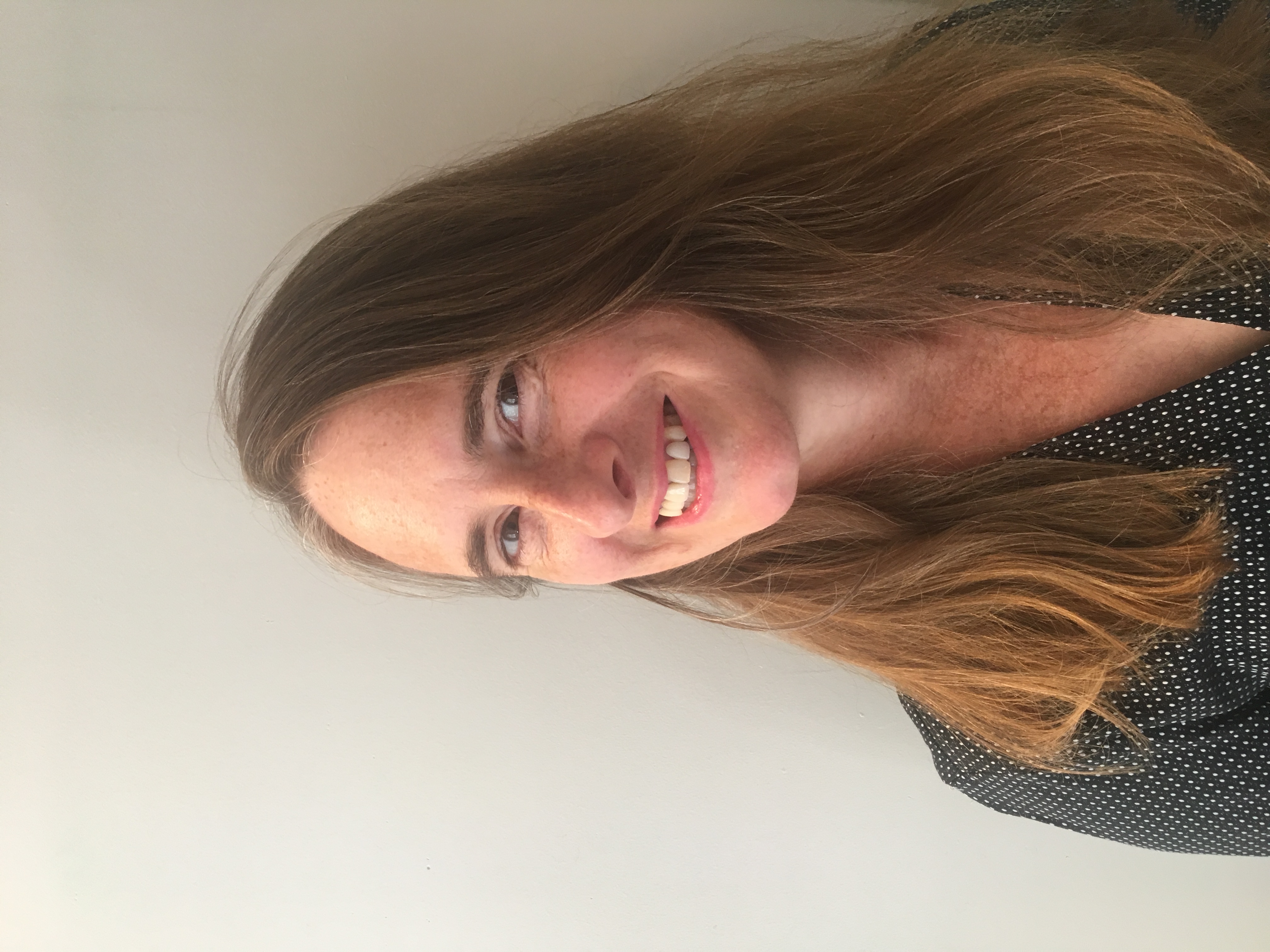
As the Associate Director of Education at the Frontier Culture Museum of Virginia, Angela Lehman plays a central role in shaping the museum’s educational programming, supporting teachers, and expanding the museum’s outreach to homeschool communities. In a recent conversation with marketing firm Standout Arts, Lehman shared insights into the museum’s philosophy, methods, and its uniquely place-based approach to interpreting history for learners of all ages.
Educational Philosophy and Programming
Because the Frontier Culture Museum operates under the Virginia Department of Education, it functions as a formal educational institution. Its mission extends beyond presenting historic structures or demonstrating period skills; its purpose is to educate the general public and school groups through historically grounded, inquiry-based interpretation.
Lehman explains that the museum’s educational foundation is rooted in both content and process. “Our approach to education is that we really value telling the histories of many different people,” she says, “but not just the histories of who, when, what happened, and where. We also focus on how we know these things.”
To support this, many of the museum’s living history interpreters have academic backgrounds in history and conduct historical research as part of their work. Others come to the museum with a passion for living history and receive in-depth on-site training. Lehman notes that their deep engagement with sources shapes the museum’s programming. “We have used the same types of sources historians use to create our educational programs here,” she says. “Helping people understand how we know about history is really central to what we do.”
Material culture is a major component of this approach. Rather than discussing history in the abstract, interpreters emphasize the tools, objects, animals, and technologies people used in their daily lives. This grounding in physical experience allows students to connect more deeply with the past.
The museum prioritizes interactive, sensory-rich learning. “Sometimes it’s not always possible to give everybody a thing to do or touch,” Lehman acknowledges, “but there is always some sort of interaction happening. We engage students’ senses. If they are on site, maybe they are sawing wood. You can smell the wood, hear the saw, feel the sawdust.”
This multisensory approach carries into the museum’s outreach programs as well. Staff travel with items such as wool in various stages of processing so students can feel how its texture changes. They might bring an old-fashioned coffee grinder or even a skunk pelt. “Even though it has been washed many times, it still smells a little bit,” she notes with a smile. “On outreaches we can still engage the senses with the objects we take along.”
Youth Programs, Camps, and Hands-On Learning
The Frontier Culture Museum’s commitment to tactile, experiential education extends across its wide range of youth programming.
Each summer, the museum offers three camps:
• Summertime on the Frontier for ages 5–7
• Playing in the Past for ages 8–9
• Living in History for ages 10–12
These camps immerse participants in frontier life, allowing them to cook over open fires, complete hands-on projects, and learn through direct experience.
For teens, the John Lewis Society serves as the museum’s junior interpreter program. Over two years, students receive intensive training and spend substantial time on a single historic site. By the end of the program, participants can cook, lead activities, and interpret history for visitors. Lehman sees this as both an educational opportunity and a practical apprenticeship. “That is part of us educating them,” she explains, “and then the John Lewis Society students are able to turn around and practice educating other people.”
The museum isn’t just for youth education. Adult learners, through participation in themed educational day programs, can engage in deeper exploration of specific historical subjects. These events provide opportunities for richer discussion and intellectual engagement. The themed educational day programs highlight primary sources, interpretive methods, and the depth of knowledge possessed by the museum’s interpreters.
For the youngest learners, the museum hosts Toddler Time each winter for children ages 18 months to four years. Each session includes a story, a hands-on activity, and a craft. “These are our youngest historians,” Lehman says. “It’s a parent and child program, and it’s a way to start instilling a love for museums even when they are little.”
Homeschool Days mirror the museum’s on-site school programs and ensure homeschooled students receive the same interactive, multisensory experiences as classroom groups.
A Unique Educational Environment
Lehman notes that while many living history museums exist across the United States, the Frontier Culture Museum is distinct in its focus and structure. Its interpretation centers on Virginia west of the Blue Ridge, exploring the history of the region from the 17th through the 19th centuries through an unmatched collection of original and reconstructed historic buildings.
“I think our being centered in our place is something unique,” she says. “I don’t know of any other place nearby, or maybe even in the U.S., that has such a range of historic structures relevant to our education programs.”
This breadth allows teachers to access programming tied closely to Virginia’s Standards of Learning. Lehman notes that teachers from Virginia and neighboring states appreciate the flexibility the museum offers. “There is some standardization,” she says, “but within that, we can definitely focus on a particular SOL or a particular angle. Teachers also appreciate having the bigger picture. Students can see how second grade focuses on Native Americans, then see how settlers in the 1760s learned from Native Americans, and how those influences carried through to the 1820s. That broader context matters.”
Because of its depth and flexibility, the museum draws students not only from Virginia but also from North Carolina, West Virginia, Maryland, and Pennsylvania.
A Place Where History Comes Alive
Lehman’s passion for educating through experience remains clear. Whether explaining how to card wool, how settlers adapted cultural traditions, or how historians interpret evidence, she emphasizes that learning at the Frontier Culture Museum invites students and visitors to make discoveries for themselves.
By bringing together research-based interpretation, sensory engagement, and a place-based approach to history, the Frontier Culture Museum provides an educational experience that is both rigorous and deeply memorable.
To learn more about the Frontier Culture Museum and its educational programs and events, visit frontiermuseum.org.


%20(1).png)